It’s a Marathon Not a Sprint…
The journey of a B2B tech startup is often characterised by intense periods of activity, whether it’s development cycles, launching a product, customer onboarding, securing funding or rapid growth spurts. These periods of intense activity can create a culture where long hours and high pressure are not just regular occurrences but expected behaviour. However, it’s crucial to recognise that the startup journey, if successful, is usually a 10-year marathon, not a three-year sprint. A true founder’s no compromise lifestyle is one of sacrifice, whether you like it or not. Being a founder requires total commitment to the cause, which can be all-encompassing.
No Balance for Tech Founders
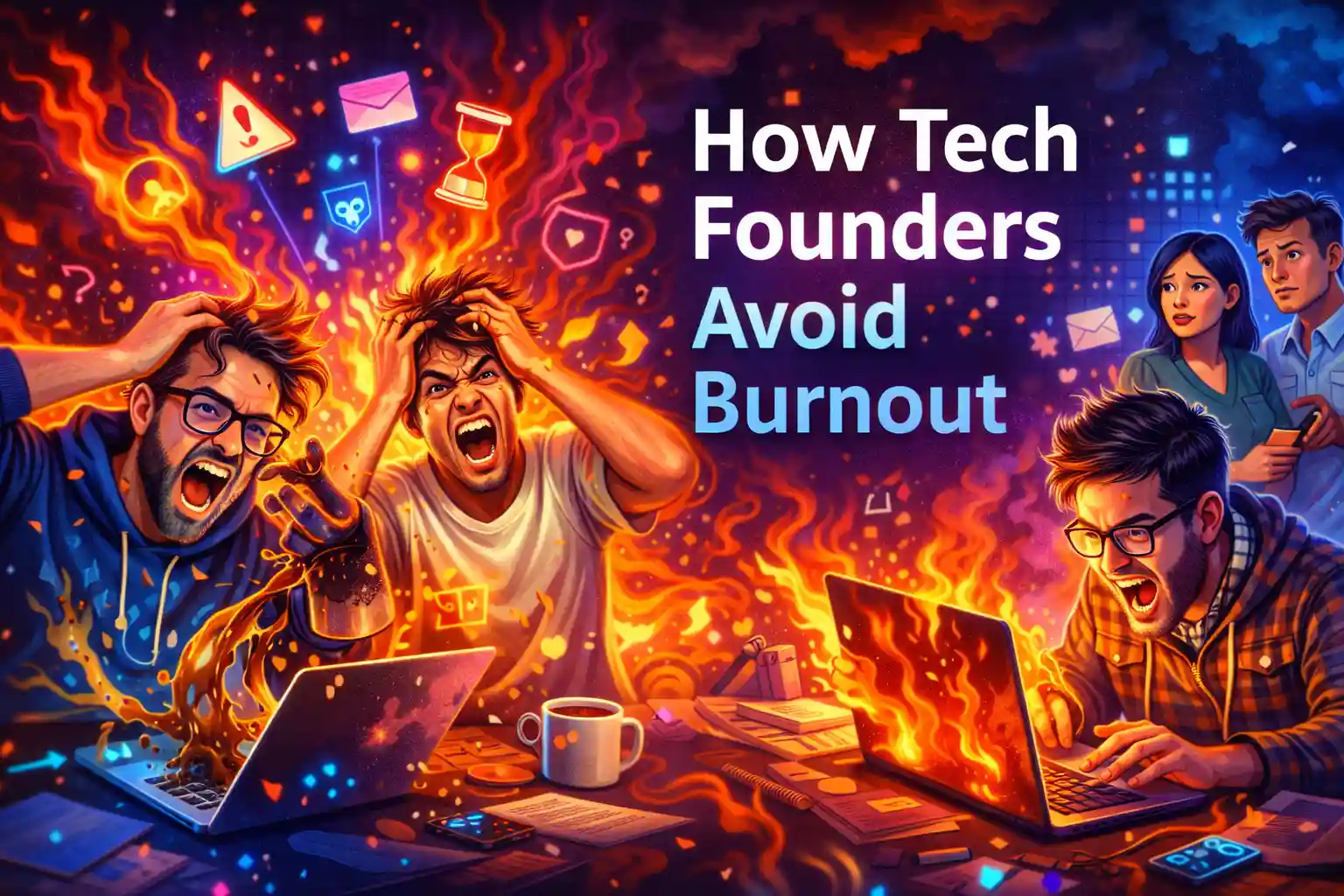
Maintaining a sustainable pace and ensuring the wellbeing of employees may be essential to long-term startup success, but this doesn’t always extend to the founders. As a tech entrepreneur, there is lots of advice telling you to allow yourself to enjoy the journey by taking time to celebrate the small wins along the way with your team. This is certainly good guidance, but it doesn’t account for the difficult challenges that will completely overwhelm you. While you can use strategies to manage stress and avoid burnout, it’s worth being realistic and accepting you won’t achieve the nirvana of a normal work-life balance, and nor should you want to. However, this doesn’t stop you from prioritising employee wellbeing because you won’t succeed without a healthy and motivated team. Just accept that the rules are different for them than they are for you.
Manage Your Energy
Founders and employees alike need to be aware of the dangers of burnout and mitigate against the risks of trying to do too much too soon. There is no sense in using up all your energy and motivation in the beginning, only to have nothing left to give before you have fully scaled the business. There are many stages of development for startups and each presents new challenges that require energy and tenacity to overcome. Running a small business when the batteries are on empty is as difficult as running one without money.
Play the Long Game
Much better to play the long game, because the fact is a startup typically needs 10-12 years to establish itself as a successful business of value within a market segment. Recognising the nature of the startup journey means understanding that while intermittent sprints are necessary, they should be balanced with periods of rest and recovery. This approach helps maintain energy levels, creativity and overall productivity. A startup culture that recognises the need to protect employees from burnout, so they have spare capacity to up the ante as and when needed, is a positive trait.
Forget Founder Work-Life Balance
Work-life balance is for employees, not for founders. It is a factor that is incongruent with life for owners of a startup. Founders will struggle to have a balanced life and the sooner you; your family and friends accept this and make allowances the better. If you crave work-life balance more than you are willing to commit to your startup, then it may be better to go back to working for someone else, because a founder must go big or go home. It’s a full commitment lifestyle and if you see that as a sacrifice, you’re not willing to make, then you don’t have the mentality of a founder.
Risk and Reward
Tech founders make the biggest commitment because they have the biggest risk-reward ratio. Even so, you will still need to at least attempt to manage your stress levels and take care of your physical and mental health. Getting enough sleep, regular exercise and meditation will help. It’s important to ensure that the time you do spend with family and friends is high quality time, because you won’t have much of it, and this will help maintain energy and motivation levels. It won’t be easy because it isn’t meant to be. If you choose the tech founder startup lifestyle, then you accept what comes with it, and those around you must compromise too.
How Tech Founders Can Better Manage Stress
Effective stress management involves both daily practices and longer breaks. Here are some strategies to consider:
1. Time Management: Prioritise tasks, then block out your calendar to deal with each of them and set realistic goals. Avoid overloading schedules and ensure time is allocated for rest and leisure. Tools like project management software can help keep tasks organised and manageable.
2. Delegation: Founders and their managers should delegate tasks appropriately. Trusting team members with responsibilities not only reduces the workload on leaders but also empowers employees and helps in their professional growth.
3. Taking Breaks: Regular short breaks throughout the day can prevent fatigue and improve focus. Founders can step away from their desks, go for a short walk or engage in a non-work-related activity during breaks.
4. Holidays: Longer breaks, such as holidays, can be useful for re-energising and spending quality time with family and friends. A change of environment is healthy but let’s face it, a complete disconnect from work is unlikely.
The Role of Family and Friends
Although you will not have the time you would like to spend with family and friends, recognise that it’s still important to do so when you can. Time with them provides emotional support and at least a sense of balance. Personal relationships are vital for mental well-being and offer a necessary distraction from work-related stress. For founders and employees alike, making time for social activities and maintaining personal relationships is essential. Whether it’s a family dinner, a weekend getaway or simply catching up with friends, these interactions provide relaxation and joy, which are critical for preventing burnout.
Young, Single Founders
Young, single founders often have fewer family commitments, which can lead them to focus intensely on work. While this dedication can be advantageous for a startup’s progress, it also increases the risk of burnout. The absence of external commitments can make it easier to fall into a pattern of overworking and having the unfair expectation that all employees will commit like you do. On the flip side, single founders may have more flexibility in how they manage their time and can prioritise self-care and social activities without the constraints of family obligations. The key is to be mindful of personal limits and to build a support network that includes friends, mentors and colleagues.
It’s a Lifestyle
Avoiding burnout requires a conscious effort to balance intense work periods with rest and recovery. By prioritising work, promoting employee wellness, managing stress effectively and valuing personal relationships, founders can create a sustainable work environment. Remembering that the startup journey is a marathon, not a sprint, is essential to achieving your goals. Accepting that the founder journey can be a lonely and stressful path and that you are responsible for employee wellbeing as well as the success of the company is a big responsibility. You will need to keep yourself and your team in peak condition to deal with what startup life will throw at you.
You may want to read: “How to Define Your Target Market.”