Tech Marketers Are Now Better Positioned to Promote Their Bootsrapped Startups
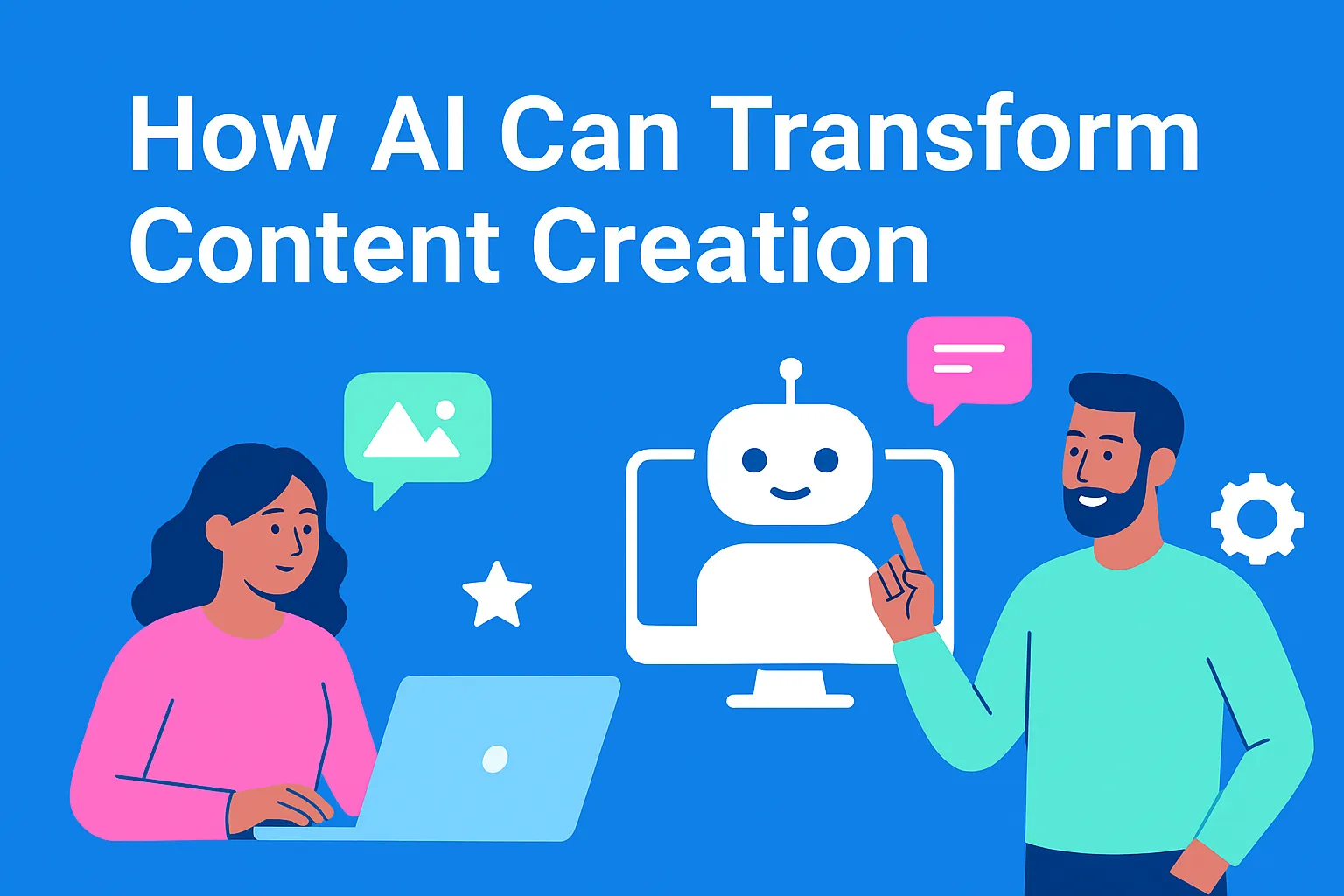
For B2B tech startups, content is vital for driving momentum. Every blog post, video and campaign fuels awareness, trust and demand, but content creation is also one of the most time-consuming and resource-intensive aspects of growth marketing. In the past, without a big budget, the more expensive content formats were not an option. Artificial Intelligence (AI) is reshaping how content is planned, created, optimised and distributed.
What once took days can now be accomplished in hours. Yet with this power comes both opportunity and responsibility. AI gives startups the opportunity to scale faster, compete with larger brands and deliver personalised, data-driven content. At the same time, it challenges marketers to rethink creativity, authenticity and brand voice in a world where automation blurs the human touch. Let’s explore how startups can use AI to unlock growth without sacrificing quality or trust.
Cutting Content Production Time
Content creation has traditionally been one of the biggest bottlenecks for growing startups. Between ideation, writing, design and distribution, producing quality marketing assets can drain limited resources. AI can significantly alter that equation, with a reduction in production time by 30–50%. Companies using AI report a 40% increase in content production efficiency.This changes the game for small teams with limited resources, as they can now produce more high-quality assets in less time, keeping pace with larger competitors who once dominated the content landscape through volume.
Startups must identify high-volume, repeatable content tasks—such as blog outlines, SEO keyword optimisation, or social post drafting—and automate them first. Freeing human marketers from repetitive work allows them to focus on creativity, strategy and storytelling.
AI Adoption Across Marketing
AI in content creation has become mainstream, with 54% of marketers now using AI tools for content creation and curation. What began as optional experimentation is now becoming a competitive necessity. From chatbots and writing assistants to automated video editing and SEO analysis, AI has become woven into the daily fabric of digital marketing. Even more striking, AI-based tools generate over 50% of social media content for major brands. Startups that hesitate to embrace AI risk losing their way, not because their message lacks value, but because their operational efficiency can’t match that of AI-powered competitors.
Action:
Audit your content workflow to identify where AI already fits naturally. Consider tools for ideation (like ChatGPT), visual creation (like Canva’s Magic Studio) and optimisation (like Surfer SEO or Jasper). The goal isn’t full automation but intelligent augmentation.
Optimising Content with AI
AI is a speed tool for faster production, but it can also provide smarter performance. For example, 40% of businesses rely on AI to optimise blog post performance, and AI-driven SEO tools improve organic search rankings by 23%. For startups competing in crowded B2B niches, these improvements can be critical. AI helps marketers identify which topics resonate, predict engagement patterns and refine copy to perform better in search engines and social feeds. AI also enhances post-publication analysis, revealing what drives conversions or where content fails to engage. Over time, this creates a feedback loop of continuous improvement. This can develop into a cycle of learning that compounds results.
Action:
Use AI-driven SEO and analytics tools to track engagement data. Automate insights, not just execution. The more you learn from performance, the more accurately you can produce future content that hits the mark.
The Creativity Multiplier
AI-powered content results in a 25% higher engagement rate, while AI-based content marketing sees 2.5x more audience interaction. It’s a great way to amplify your creativity and these numbers prove a critical point: AI-generated or AI-assisted content can connect more effectively when guided by human insight. The magic happens when human creativity defines the “why” and AI enhances the “how.” Dynamic content powered by AI delivers even stronger results, with a 20% increase in lead conversion. AI can automatically personalise messaging, headlines or visuals based on audience behaviour, helping startups to deliver more relevant and timely communications without adding staff.
Action:
Combine AI personalisation with brand storytelling. For example, use AI to tailor blog introductions or email subject lines based on reader segment, but keep your brand tone consistent. AI should serve as an enhancer, not a narrator.
The Video Explosion
Short-form storytelling is now prevalent, with video content reigning supreme, and AI is fuelling its dominance. AI-generated video content increases viewership by 30%, while over 60% of marketers say AI tools are essential for their video marketing efforts. From automated captioning and voiceovers to scene generation and editing, AI is democratising video production. Startups no longer need large budgets or specialised teams to produce compelling, professional-grade videos. As a result, startups can maintain a consistent video presence across platforms, which is important for brand authority and engagement in B2B tech marketing.
Action:
Use AI-powered video platforms to scale your visual storytelling, including AI tools for script generation, automatic formatting for multiple channels and audience engagement analytics to guide iteration.
Sharper, Faster, Better
Beyond creation, AI has also revolutionised editing. Marketers report a 50% reduction in the time spent on content editing using AI. Automated grammar checks, tone adjustments and optimisation suggestions allow teams to publish faster while maintaining quality control. AI editing tools also help maintain brand consistency by enforcing style and tone guidelines, extremely useful for teams juggling multiple contributors.
Action:
Adopt AI editing assistants to speed up review cycles. Define your brand’s tone and vocabulary, then let AI tools enforce consistency and polish in every piece of content.
Smarter Distribution
Creating great content is only half the battle; once you have a new asset, the challenge is getting it seen, and this is where many startups stumble. AI-powered content recommendations drive 20% more page views, helping marketers serve audiences with more relevant materials at the right time. This level of personalisation mirrors the algorithms used by streaming and e-commerce giants, applied to marketing. For B2B tech startups, it’s an opportunity to guide visitors through the buyer’s journey in a data-driven, automated way.
Action:
Use AI-powered content recommendation systems on your website or within newsletters. Tailor calls to action and suggested content dynamically, improving engagement and dwell time without manual input.
Improve ROI
Efficiency and engagement are important, but the ultimate question for startup founders is ROI. The evidence is positive: marketers using AI to create content experience a 3x higher return on investment. That’s because AI allows teams to scale output without linearly increasing costs. Whether it’s automating repetitive writing tasks, improving SEO performance or optimising video reach, AI multiplies both productivity and profitability.
Action:
Treat AI tools not as expenses, but as growth investments. Prioritise tools that directly improve conversion, efficiency or creative output. Measure their impact against your baseline metrics.
Balance Speed with Authenticity
While AI offers immense efficiency, startups must also navigate potential pitfalls. Over-reliance on automation can dilute brand voice, reduce originality and risk losing human connection. AI should be a co-pilot, not a replacement. The startups that win with AI are those that blend machine precision with human empathy. Data should be used to inform creativity, not to replace it.
Action:
Maintain a human review layer in your content process. Let AI handle the volume, but ensure every piece reflects your startup’s unique perspective, mission and tone.
Your Marketing Growth Partner
For B2B tech startups, AI can be a key contributor to your growth acceleration. Consider it more of a growth partner than just a tool. The data tells a consistent story: from 30–50% faster production to 3x higher ROI, AI-powered content marketing is driving measurable business impact. The key is getting the right balance between embracing automation to accelerate performance and anchoring your strategy in authenticity and audience connection. AI can’t replace your story, but it can help you tell it more powerfully, more consistently and at scale. In the hands of visionary tech marketers and founders, AI can redefine what’s possible for startups and help to level the playing field against larger competitors.
*Sources:
- AI-generated content can reduce production time by 30-50% (Source: Content Marketing Institute).
- 54% of marketers use AI tools for content creation and curation(Source: Statista).
- Companies using AI report a 40% increase in content production efficiency (Source: Gartner).
- AI-based tools generate over 50% of social media content for major brands (Source: Sprout Social).
- 40% of businesses rely on AI to optimize blog post performance(Source: SEMrush).
- AI-powered content results in a 25% higher engagement rate (Source: Forrester).
- Dynamic content powered by AI increases lead conversion by 20%(Source: Demand Gen Report).
- AI-driven SEO tools improve organic search rankings by 23% (Source: Ahrefs).
- Marketers report a 50% reduction in the time spent on content editing using AI (Source: Adobe).
- AI-based content marketing sees 2.5x more audience interaction(Source: HubSpot).
- AI-generated video content increases viewership by 30% (Source: Wyzowl).
- Over 60% of marketers say AI tools are essential for their video marketing efforts (Source: Animoto).
- AI-powered content recommendations drive 20% more page views(Source: Outbrain).
- Marketers using AI to create content experience a 3x higher return on investment (Source: CMO Survey).
You may want to read: “How to Define Your Target Market.”