
More Than Thought Leadership …
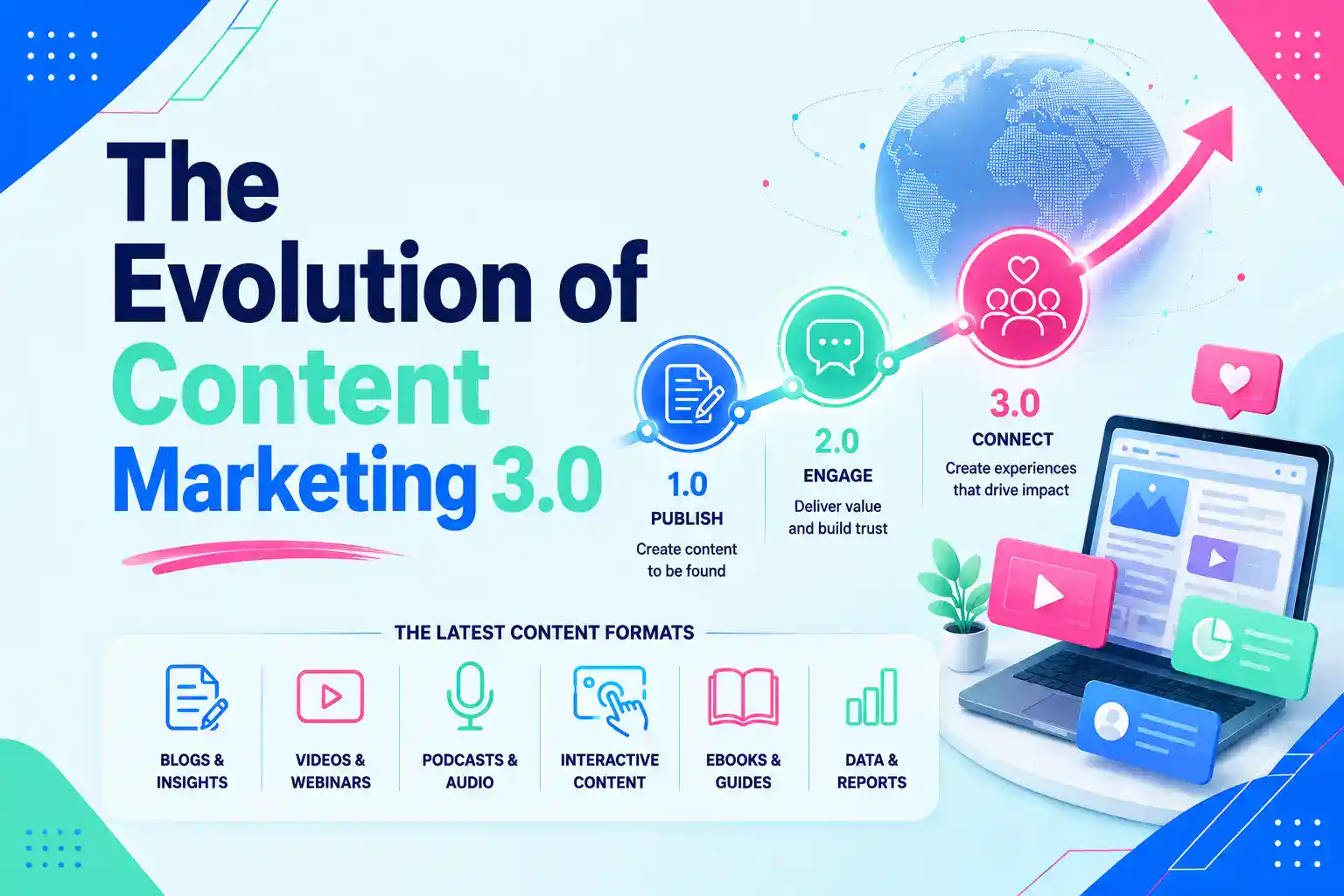
Content marketing is evolving for B2B tech startups, and staying ahead means rethinking content engagement. Traditional white papers, blog posts and long-form articles remain valuable assets, but on their own may not be enough. Content Marketing 3.0 is a new era of innovative, interactive and multimedia-driven content strategies that elevate beyond the distraction of thought leadership into something more dynamic and engaging. For all B2B tech companies, you must think about the diverse ways to deliver insights, so they stand out and resonate with an increasingly unresponsive audience.
The Shift to Interactive Content
A key aspect of Content Marketing 3.0 is the shift to interactive content. The tech-savvy B2B sector is hungry for content that does more than simply provide two-dimensional information. They want experiences that engage them in a conversation. For example, quizzes, polls, interactive infographics and assessment tools are now becoming staples of effective content strategies. These methods not only keep your audience engaged longer but also offer businesses an opportunity to capture more insightful data about their audience, enabling more personalised and effective follow-ups.
For example, Semrush will audit and assign a website a score for free. This tool offers businesses an instant evaluation of their website’s performance in the key area of SEO. While it’s free to use, it helps Semrush build a reputation as an authority in website optimisation, all while seamlessly generating leads. Equally important is delivering your message with a personality that has an opinion. The more human you make your content, the more relatable it will be to others.
Video Proliferation
The adage that “content is king” rings true now more than ever. As B2B tech buyers consume more content digitally, they prefer formats that are easy to digest and can consume on the go. This has been demonstrated with the rise in popularity of the explainer video to learn more about a product or service. This is one of the factors that make video a critical component of any content strategy. Video is a great way to show slick product demos or customer testimonials and is a useful vehicle for thought leadership.
B2B tech startups are increasingly using video to deliver deep insights, interviews with industry experts or even live webinars with Q&A sessions. These formats help humanise brands, making them more accessible. For startups with limited budgets, creating a quality video may seem daunting, but it doesn’t need to be. Tools like Loom or Zoom webinars allow you to produce engaging video content without the need for expensive production crews.
Podcast Explosion
Overlapping with video content, podcasts are also experiencing a boom in popularity among B2B decision makers. Long-form conversations, especially those involving industry leaders, help startups showcase their expertise in a less formal and more personal setting. For example, the SaaStr podcast features interviews with leading SaaS founders and executives, helping the channel build its credibility and authority in the SaaS community.
The Credibility Conundrum
Thought leadership is often an unhelpful distraction. Put simply, it’s about establishing authority by being seen as the experts in your industry, so customers know who to turn to when they need help with a specific challenge. However, where this fails is when thought leadership is seen as a separate and aspirational activity from marketing. It’s the same thing and can only be achieved by following the basic marketing protocols that must be the foundation of your messaging: what you do, who it’s for and why they should care.
Getting your messaging right helps differentiate your startup in your niche. The challenge is how to you create content that cuts through the noise and truly showcases your expertise. If you can showcase exclusive data or insights that provide actionable takeaways to help your target audience, there is a higher chance of getting noticed. You may use surveys, customer data or even your own internal metrics to craft narratives that help define your tech company as experts in your field.
Social Proof
Content Marketing 3.0 also heavily emphasises the role of social proof. B2B tech buyers are increasingly looking for peer recommendations and real-world examples before making purchasing decisions. This makes customer stories, case studies and user-generated content crucial elements of a successful thought leadership strategy. By involving satisfied customers or partners in your storytelling efforts, you can provide potential clients with authentic, relatable examples of how your product or service solves their key challenges. This is especially important for startups, as building credibility early can significantly shorten the sales cycle.
AI and Automation
As content marketing evolves, AI and automation tools are becoming essential in both content creation and distribution. Predictive analytics, for example, can help you identify the right content for the right audience at the right time. This allows for a more personalised and efficient marketing strategy, driving engagement and conversions. Tools like Clearbit or HubSpot’s predictive lead scoring can determine the topics most likely to resonate with your audience. Automation tools like Hootsuite or Buffer streamline the content distribution process, ensuring that thought leadership pieces reach their target audience across multiple channels without repetitive manual effort.
The Future of Content
Looking ahead, the future of content marketing in B2B tech will be driven by personalisation, interactivity and authenticity. Tech companies that embrace multimedia content, leverage data insights and humanise their messaging will find the most success in cutting through the digital noise that bombards us all today. However, you must move beyond simply producing content for the sake of it. The key to success lies in crafting meaningful, engaging experiences that not only demonstrate your expertise but also build lasting relationships with target customers. Tech startups must now carve out a distinct identity by embracing the full spectrum of content formats to elevate their marketing game.
You may want to read: “How to Define Your Target Market.”