Harnessing the Power of Data …
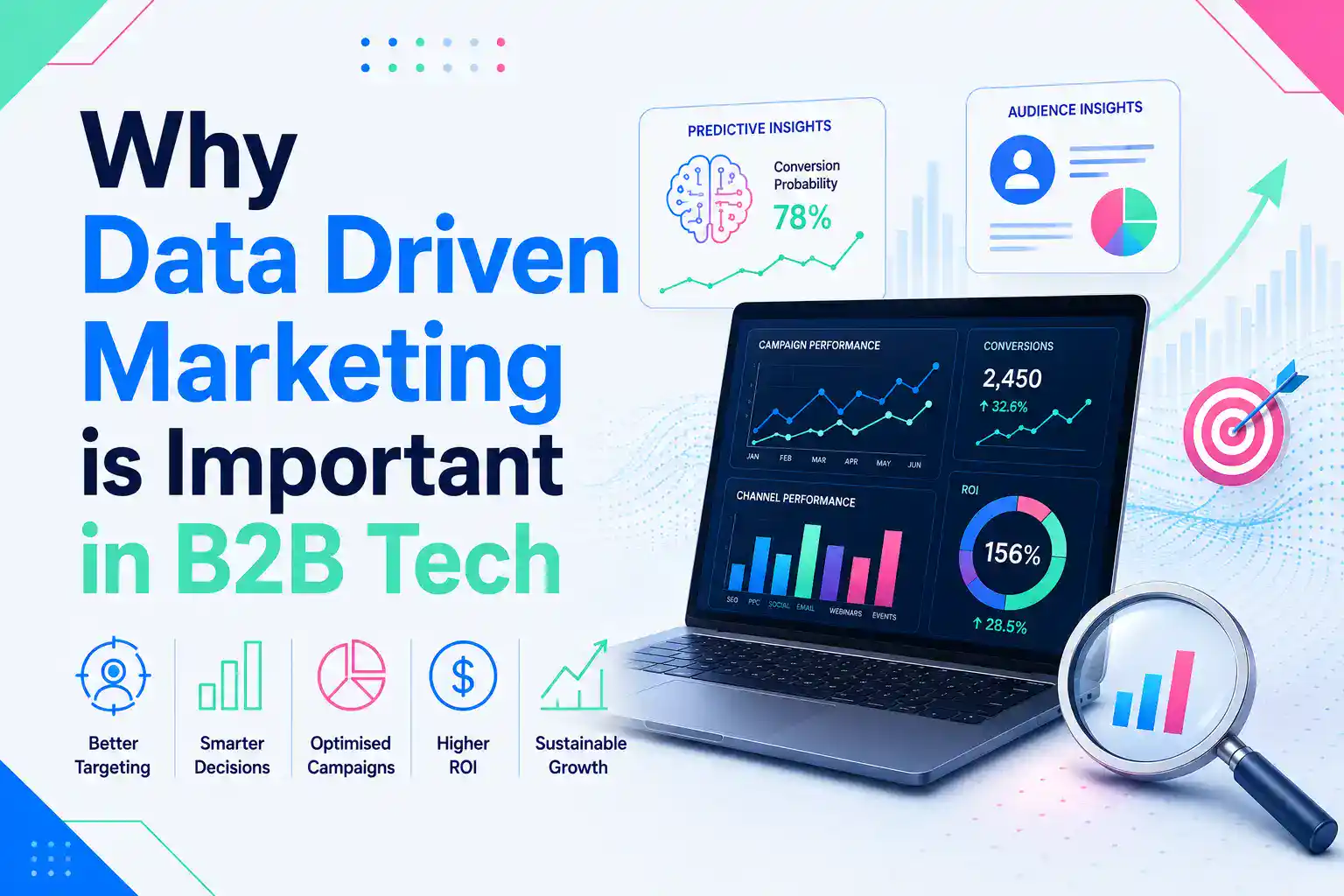
Data-driven marketing has become a mainstay for startups looking to refine strategies, improve segmentation and measure success. By leveraging data analytics, tech companies can make smarter decisions to drive higher ROI. Data is the backbone of modern marketing, although it can potentially go too far if not handled properly. Marketing teams are often busy measuring every possible metric, instead of focusing on the core KPIs that matter. Focus is the superpower of every successful startup, as is not being distracted by the white noise of meaningless statistics. In a sector like B2B tech, where buying decisions are often complex and multi-layered, having access to relevant, accurate, detailed data helps to better understand the audience, predict buyer behaviour and allocate resources efficiently.
Market Insights
Data driven marketing goes beyond simple metrics like clicks and page views; it involves deep analysis of customer journeys, sales patterns and even predictive behaviours that inform strategic decisions. Tech companies that embrace data insights to help improve marketing activity can move away from guesswork, ensuring that every marketing effort is more targeted and impactful. Focusing on measurable outcomes helps you gain a clearer picture of what resonates with your audience and what needs to be adjusted.
Improve Market Segmentation
Not every potential customer is the same and having a single approach rarely works. Data allows you to segment a target audience based on more than just basic demographic information. By examining buying behaviours, usage patterns and even engagement with previous campaigns, it’s possible to build more detailed profiles of the ideal customers.
For example, a startup offering cloud storage solutions might use data to identify different segments within their customer base: enterprises looking for scalability, smaller businesses focusing on cost efficiency or developers needing API access for integration. Each segment will have different pain points, priorities and price sensitivity, so tailoring messaging and content for each group will lead to more meaningful engagement.
Gather and Analyse Your Data
Gather available data from your marketing systems and analyse it to identify key segments and create personalised marketing strategies aligned to specific needs. Speak directly to the challenges and goals of each segment to help build trust and stronger relationships that drive more qualified leads. Then, continually optimise your marketing campaign performance through testing. The data gathered from testing can inform future campaigns and ensure that messaging is consistently improved for maximum impact. Monitoring engagement rates, conversion rates and customer feedback help you fine-tune marketing strategies to improve results. This agile approach to marketing, where data informs decisions, helps startups stay ahead of the curve.
Customer Journey
By analysing these metrics, you can identify which campaigns and channels are driving the most value and adjust their budgets accordingly. For example, if a paid search campaign generates a high volume of leads but a low conversion rate, it may indicate that the keywords or targeting need to be refined. Data analytics also provides insight into the customer journey, allowing tech marketers to understand which touchpoints are most effective at moving prospects down the sales funnel. This level of insight ensures your resources are spent on the strategies that deliver the highest returns.
Predictive Analytics
Beyond analysing past and present performance, marketing can also use predictive analytics to forecast future outcomes. Predictive analytics uses historical data and machine learning algorithms to anticipate customer behaviour and market trends, helping you to make proactive, informed decisions. For example, predictive analytics can help a startup identify when a lead is looking to buy a solution, allowing the sales team to reach out at the most opportune moment (Account Based Marketing). It can also predict which marketing channels will be most effective in acquiring new customers, so marketers can allocate budgets more appropriately. Predictive analytics can also be used to anticipate potential churn, giving you the opportunity to engage at-risk customers before they leave.
Challenges and Considerations
While the benefits of data-driven marketing can be substantial, there are challenges that B2B tech startups must address. Data privacy regulations like GDPR mean that companies need to be careful about how they collect, store and use customer data. Transparency and compliance with these regulations are essential for maintaining trust and avoiding penalties. Additionally, startups with limited resources may struggle to implement robust data analytics systems. While tools like Google Analytics are free, more advanced platforms often require significant investment in both software and skilled personnel.
Better Data Outcomes
Despite these challenges, the long-term benefits of a data-driven marketing strategy far outweigh the costs. Startups that harness the power of data will be better positioned to make informed decisions, deliver personalised experiences and drive sustained growth. Predictive analytics helps you plan effectively, ensuring your startup remains agile and responsive to changes in the market. Embracing data is the key to unlocking smarter, more efficient and more impactful marketing strategies that drive results.
You may want to read: “How to Define Your Target Market.”