Recruitment Challenges for Tech Startups …
Recruiting the right team is one of the most critical challenges a founder faces when launching a B2B tech startup. It’s a continuous challenge that will never relent as the business grows. In fact, recruitment will require more time and resources proportionate to your success, and certainly more than you ever hoped it would. Your success usually hinges on the talent, dedication and synergy of the team members. However, building a team is one of the many challenges to overcome on the startup journey. From attracting skilled professionals to managing limited resources, the work involves a balancing act between need and budget. It’s worth exploring the key recruitment challenges tech startups face and some of the strategies they can deploy to overcome them.
Recruitment Success
Most organisations would consider cultural fit an essential part of recruitment and will reject candidates if they perceive misalignment on this important factor. Working in a startup requires some very specific attributes to cope with a challenging environment where people need to be comfortable with ambiguity, roles are less defined, individuals often wear multiple hats, hierarchies are flatter, change happens quickly and processes are less defined. Research from Leadership IQ found that 46% of new hires fail within their first 18 months, and 89% of those failures are caused by attitude, motivation, coachability and interpersonal factors rather than technical skills. For startups, where adaptability and cultural alignment are often critical to success, hiring for values and mindset can be just as important as hiring for experience.
The Startup Honeypot
The perceived glamour of the startup attracts many people, not always for the right reasons, and some weeding out at the interview stage will be necessary. Experienced professionals may express an interest in joining a startup because they value a less corporate environment, one where individuals can take responsibility, make an impact and enjoy more flexible conditions. This more informal and flexible environment helps compensate, in the early days at least, for less than competitive salaries, benefits packages and conditions. Many tech companies are still working on a remote-first basis, while other industry sectors are increasingly coercing their staff to attend an office, while reducing the number of days staff can work from home. Many tech professionals demand a better work life balance and are prepared to take a risk on a startup to get better conditions.
Selling the Dream
People who join a startup early are more inclined to make compromises because they believe in the vision of the startup. They may accept living with some short-term sacrifices in exchange for being part of a business that promises the potential for future career progression in line with any long-term success. Founders need to be good at selling the positive aspects of startup life to encourage potential new starters to buy into their dream. You are quite literally selling the company vision to prospective recruits, just as much as you are selling the tech to new customers. For new starters, the prospect of being part of something new, exciting and with an almost cult-like following of employees can be very appealing. The strength of purpose can be compelling, especially compared to large, sanitised corporate environments, where everyone is simply doing their individual task in exchange for money and with little or no emotional connection.
The Talent War
There is intense competition for talent in the tech industry, which pushes up the cost for specialist skills. Many founders will bring in people from their personal network to help them get started. As the startup grows, employees may introduce some of their professional connections into the mix, and this can be incentivised with referral bonuses. Established tech giants like Google, Amazon, and Microsoft offer lucrative salaries, extensive benefits, and some level of job security that any new startup may struggle to compete with. However, these are companies where employees fit into a rigid organisational structure and have highly defined roles that may offer little in the way of variation. Part of the attraction of working at a startup is that you can bring your professional experience to bear, while having a wider sphere of influence and involvement, making decisions and taking action that will impact the business.
Limited Resources
Startups typically operate on tight budgets, particularly in their early stages. This financial constraint may limit a founder’s ability to offer competitive salaries and benefits packages, although many still magically find the time and money to waste on company-branded clothing instead of finding leads. You might not have the resources to invest in extensive recruitment processes or professional HR teams, a perceived disadvantage compared to larger companies with dedicated recruitment departments, but you can also use this to your advantage. For example, you are small and nimble, with a flat hierarchy and have a simple recruitment process with key decisionmakers involved who can make quick hiring decisions. These factors will be appreciated by job candidates, who will respond positively to having direct access to the company’s leadership. Despite the limitations of startups, there will always be people actively seeking startup opportunities because it may be a better option for their career development.
Specialised Skills
Tech startups often require highly specialised skills, crucial for developing innovative technologies. These skills are not only harder to find but can also come with high salary expectations. Additionally, the fast-paced and high-pressure environment of a startup demands employees who are adaptable, self-motivated and capable of handling multiple roles, further narrowing the pool of suitable candidates. It will be important to use online hiring platforms to promote your startup, as a strong brand is not just to help target prospective customers, but also potential employees. Use online platforms to promote recruitment branding activities, helping your startup to become a destination employer for the specialist skills you need most. One of the benefits of remote working is that available skills can now be accessed across any geographic location, massively increasing the talent pool. This means many startups can now take advantage of technical specialists in developing countries that have a highly skilled workforce but a lower cost base.
Brand Recognition
Unlike established companies, many startups lack brand recognition. Potential candidates might be unaware of a startup’s existence or sceptical of its stability and long-term prospects. Building a strong employer brand takes time, which is a luxury that startups cannot always afford. The best time to start building your employer brand is always right now, if you haven’t started already. There are many simple yet effective things you can do that are not cost-prohibitive but will help raise awareness about your brand. Think creatively and try new things that will help you stand out from the crowd. Many of your potential recruits will be active on various online platforms, and engaging with them is a key activity when promoting your brand and finding new candidates.
Hire for Cultural Fit
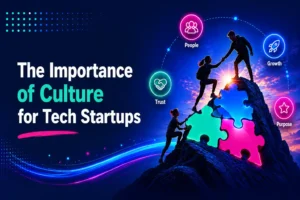
Startups often pride themselves on their company cultures, which emphasise creativity, innovation, agility and a hands-on approach. Finding candidates who not only possess the right skills but also fit into your culture is a significant challenge. A mismatch in cultural fit can lead to friction within the team and potentially derail your progress. Someone who is successful in a structured enterprise environment may struggle in a startup despite being technically excellent. Founders, whether consciously or not, often hire based on a significant consideration to culture. At the start, this may be a gut feeling of how well matched they think a prospective candidate is. Even if there is an instinctive understanding of the importance of ensuring that any new hire must fit into the fabric of the organisation, this is not a scalable methodology, especially as the business grows and the founder’s time becomes less available.
Articulate Who You Are
Rather than following intuition, it is better for founders to intentionally create and nurture the culture they want for their startup. To help do this, it’s vitally important to write down the purpose, mission and vision statements as well as the core values of the company. Once done, regular reference to them helps ensure all team members know where you are going and why. This ensures everyone is focused on one vision and strategy and individual objectives can then be aligned appropriately. This information helps all hiring managers recruit candidates for cultural fit as the business grows, freeing up the CEO and founders to focus on other tasks.
You may want to read: “The Importance of Culture for Tech Startups.”