Why CS is the Superpower You Can’t Ignore …
When we think of customer experience (CX), it’s easy to focus on big consumer brands like Amazon, Apple or Uber, which have raised the bar on how smooth, engaging and seamless consumer interactions can be. However, a massive shift is happening in the B2B tech industry, where companies are starting to realise that great customer experience isn’t just a nice-to-have. As ever, consumer experiences are driving business expectations and B2B tech companies need to take note and deliver.
Keep Customers Close and Their Loyalty Even Closer
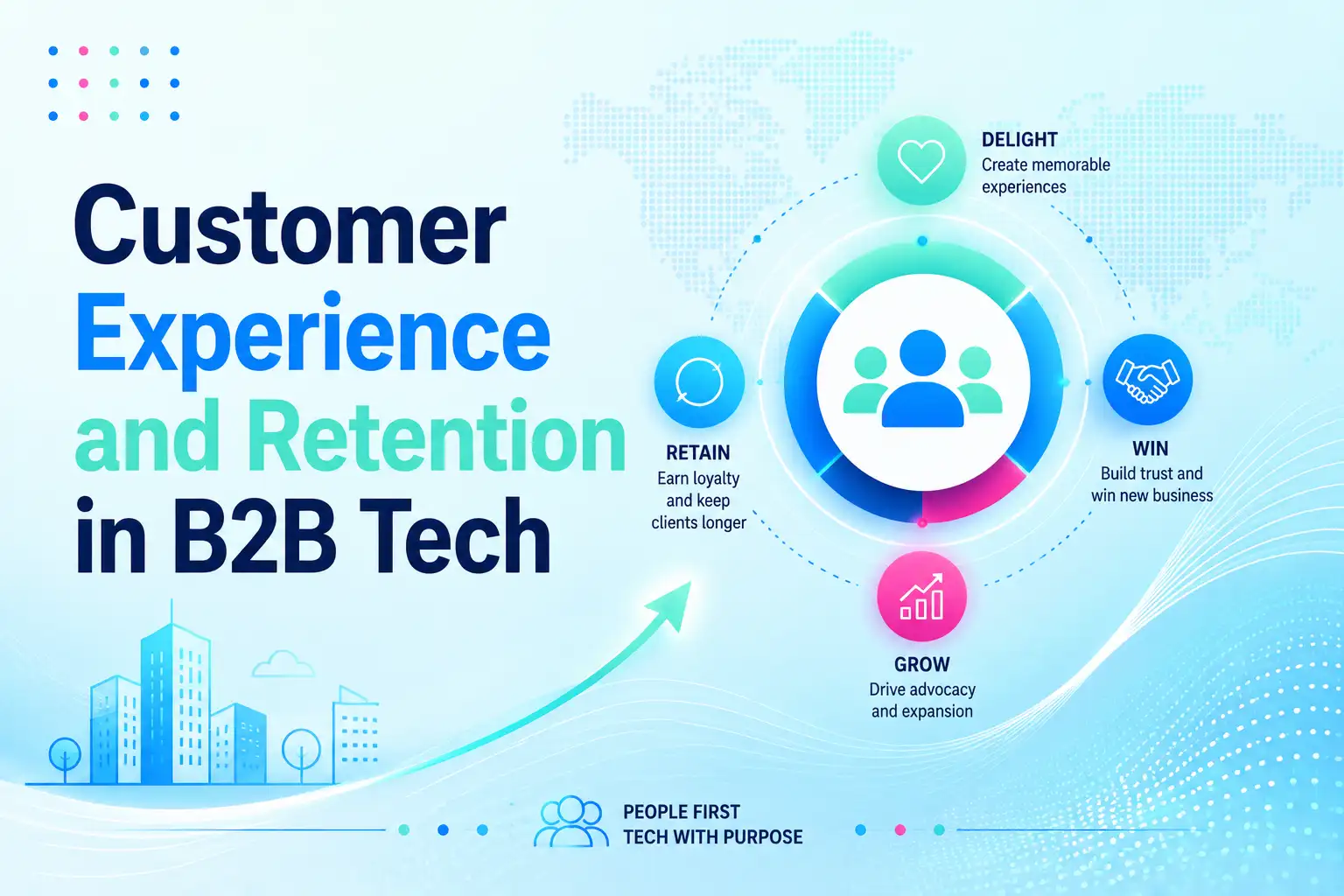
B2B tech startups are now focusing more on lavishing clients with after sales care, not only to help win over new customers but to ensure that those customers stick around for the long haul. Customer experience in B2B tech used to be an afterthought, but now it’s driving growth, retention and loyalty. In the tech sector, how your customers feel about using your products might be the difference between long-term success and a revolving door of clients. So, how can new tech startups lead the charge in creating standout experiences?
The Customer Takes Centre Stage
B2B tech firms have traditionally focused on functionality, pricing and contract terms when winning new customers. The thinking was that businesses make decisions logically, as they evaluate software based on features and choose the one that offers the best match and value, while giving the highest return on investment. The reality is that those businesspeople want their interactions with the tech they buy to be as smooth and painless as their consumer tech experiences. Just like an Uber rider, B2B buyers expect fast, intuitive and friction-free interactions; otherwise, they will simply look elsewhere or continue with the status quo.
Overservicing Startup Clients
As a result, B2B tech companies are waking up to the reality that CX is just as important as any part of a tech solution’s proposition. So much so that it’s not just important in helping to win new clients but is critical in ensuring you are able to retain them. In the early startup stages, with just a few customers to look after, tech startups put their heart and soul into taking care of and over servicing their new clients. Customers lap it all up, knowing they wouldn’t receive the same level of attention from large tech companies, where every process is part of a fixed workflow and even the tiniest interaction is recorded on a timesheet that turns into an invoice. However, CX is far more than just picking up the phone when the customer calls.
From Onboarding to Retention
In consumer markets, we know that a smooth customer journey from purchase to delivery keeps people coming back. In B2B tech, the same principle applies, but the stakes of each interaction are higher. After all, your clients are businesses that are likely investing significant time and money into your solution. If their experience is rocky, they’re not just annoyed, they could be losing productivity, customers and revenue.
Here are the top three ways startups ensure the entire customer journey, from onboarding to post-sale support, delivers a top-notch experience:
1. Onboarding: First Impressions Matter
B2B tech is often prefixed by a degree of complexity, but complexity shouldn’t translate to a confusing customer experience. Startups must focus on creating intuitive and seamless onboarding processes that help customers get up and running quickly. Interactive tutorials, self-service guides and personalised onboarding experiences are essential. If you sell a complex SaaS platform, the onboarding experience must be simple, step-by-step and easy to follow.
2. Ongoing Support: Be There When the Customer Needs You
A key factor in customer retention is reliable, accessible and responsive customer support. B2B tech clients often have more sophisticated needs and issues with your technology that can directly impact their business operations. This means your support can’t just be reactive; it needs to be proactive. Companies like Zendesk, for example, do a great job offering omnichannel support, helping tech businesses respond to customers via chat, email and phone, all seamlessly integrated. Large companies often segment their clients and offer tiered support packages to suit. Startups may not have this level of sophistication, and treat every customer the same, essentially giving each of them unlimited support at no extra cost. Great for the customer, not so great or sustainable for the startup
3. Long-Term Relationships: Beyond the Sale
Winning a new client is great, but keepingthem is where the real value lies. Startups need to think beyond the initial sale and develop tools and techniques that help nurture ongoing relationships with customers. This might include regular and scheduled check-ins, offering new features or products based on customer feedback or providing additional value through exclusive resources, webinars or partnerships. Business customers want to feel like you’re partners in their success. This is important to you because products are quickly and easily replaced, but partners are not. A company like HubSpot excels in this area by continuously offering resources that help customers succeed, from certification courses to in-depth reports and toolkits.
Useful Tools to Improve Post-Sale CX
The customer journey doesn’t end after successful onboarding. Ensuring your clients feel supported and valued long after the contract is signed is crucial.
Here are some tools that can enhance post-sale experiences and increase retention:
- Customer Success Platforms: Tools like Gainsight and Totango are designed to track customer health and engagement. These platforms provide insights into how customers are using your product, enabling your team to reach out proactively if you spot declining usage or dissatisfaction. By keeping a close eye on customer health, you can prevent churn before it happens.
- CRM Systems with Customer Experience Focus: Products from Salesforce and HubSpot integrate customer relationship management with detailed insights into customer interactions and satisfaction levels. Startups can leverage these tools to manage the entire customer lifecycle, ensuring seamless transitions from sales to support and beyond.
- Help Desks and Support Automation: Post-sale support is critical in B2B tech, and tools like Zendesk or Freshdesk allow startups to offer omnichannel support that’s both responsive and personalised. You can automate ticketing systems, build self-service knowledge bases and make it easy for customers to get the help they need.
- Customer Feedback and Analytics Tools: Continuously improving your customer experience means collecting feedback at every stage. Tools like SurveyMonkey, Qualtrics, and Typeform allow you to gather customer insights and Net Promoter Scores that can help refine your offering. Whether it’s onboarding surveys or in-app feedback, these techniques ensure you’re always tuned into what your customers think.
- Community Platforms and Engagement Tools: Building a community around your product can nurture customer loyalty and long-term engagement. Platforms like Discourse or Circle allow tech startups to create a space where customers can interact, share tips and troubleshoot issues together. This not only reduces the burden on your support team but also makes customers feel connected to your brand.
How Startups Create Intuitive and Customer-Friendly Solutions
Building a product that’s functional isn’t enough; it must be intuitive and easy to use. Here’s how B2B tech startups can improve their CX game:
- Simplify the User Interface: Design your product to be intuitive, with clear navigation, helpful tips and a clutter-free interface. Remember, your users are probably juggling several software applications, so make yours the easiest to use. Don’t make them work to find the value in your product; bring it to them.
- Personalisation is Key: Tailor the experience based on your customer’s usage, industry and needs. AI-driven recommendations, dynamic dashboards and customisable interfaces can go a long way in making your tech feel personal and relevant.
- Continuous Education: Offering ongoing training and educational resources, such as webinars, certifications and tutorials, helps users get the most out of your product. The more empowered and knowledgeable your users are, the more likely they are to stick around.
CX as a Competitive Advantage
For B2B tech companies, it’s not enough to have a great product; you need to offer an experience that matches the tech. CX and retention go hand in hand and tech startups that prioritise this will not only reduce churn but also build long-lasting relationships. Startups that invest in intuitive onboarding, seamless support and long-term engagement are the ones most likely to be in the 10% success category that are still around after ten years. As CX becomes part of the battleground for winning new business, those who struggle to get their act together risk losing out.
You may want to read: “How to Define Your Target Market.”