B2B Tech Startups Cannot Sell Without Marketing …
When founders dream of launching a B2B tech startup, their minds may be filled with visions of innovative products, cutting-edge solutions and sleek software platforms that will disrupt the status quo, transform businesses and revolutionise entire industries. What many tech founders may not fully appreciate is the importance of creating an effective marketing and sales operation. Amidst all the excitement about technological breakthroughs, there’s a harsh truth that often goes unspoken and is misunderstood: every B2B tech startup must prioritise marketing and sales.
Marketing First
Thomas J. Watson, former CEO of IBM, is famous for saying, “Nothing happens until you make a sale.” While this quote emphasises the critical importance of sales in driving business activity and growth, it’s a somewhat binary statement lacking the full picture and is therefore simply untrue. It puts all the emphasis on the post-sale delivery, which takes far too much for granted, mainly because there is a mountain of work to be done before a sale is even possible. Watson’s quote would make more sense if it said: “Nothing happens until you start marketing.” The activity required to understand a market and position a solution cannot be negated by such a dismissive statement, which shows great ignorance and is a very dangerous message.
Marketing is your Most Important Priority
Tech startups must constantly and consistently promote their solution, completing as many discovery and demo calls as possible to create sales opportunities from a well-defined target market. What Watson was saying is that none of that action really matters until and unless it results in a sale. However, it really does matter because unless you focus your time and resources on building market awareness and relationships with target prospects, you have little chance of making a sale. Even then, nothing is guaranteed because B2B selling can be a complex and multifaceted task that requires a sophisticated sales operation. Recognition of the importance of marketing is simply not enough if it fails to provide the conditions for success. Founders must ensure they prioritise funding to ramp up marketing activity and make sure they provide the focus and support it needs.
Sales is The Hardest Thing a Startup Must Do
Your startup can have the most advanced tech solution, perfectly crafted to meet the needs of the customer, and great marketing, but if you can’t sell it, you don’t have a business – that is what I believe Watson was trying to say. Tech founders with a background in software engineering may find themselves more naturally inclined towards product development, delivery, support and customer success than go-to-market operations. They are more likely to lack the understanding that B2B tech sales is the hardest thing their startup will ever have to do. In fact, their direct and personal involvement will be necessary to win new customers, especially at the early stages. Founder-led sales are a key credibility driver in the sales process because nobody can tell the story better, and prospective customers need to see and trust who they are dealing with. Without this attitude and approach, there may not be an effective route to startup survival.
Marketing First, Sales Second, Tech Third
Without marketing and sales, your startup has no foundation to stand on. It’s tempting to believe that superior technology is enough to win customers over, but even the best tech will fall flat if your sales process isn’t up to speed and generating revenue. In B2B tech, selling large solutions is often measured in months or years, and the higher the price point, the more complex the buying process can be, so mastering the art of sales is essential. It’s far too easy and comfortable for tech founders to get caught up in the product development phase, adding fancy features, improving the user interface and trying to stay ahead of the competition in terms of functionality. Unfortunately, none of that matters if you can’t turn prospects into paying customers. The most successful startups understand this and prioritise marketing and sales investments over all other considerations, including product development or hiring more expensive software developers to join their hoodie-wearing tech gang.
Why Selling Tech is Harder Than Building Tech
Here’s what most tech founders don’t want to hear: B2B tech sales is the toughest challenge their startup will face. Developing a product may require immense technical knowledge but getting that product into the hands of paying customers is an entirely different matter and skill set. Prospects have decision-making processes that involve multiple stakeholders, each with different priorities, needs, agendas and objections. The problem is that many startups operate under the misconception that their product is so transformational that it will sell itself. That belief is a fatal flaw because having a great product doesn’t even guarantee a seat at the discussion table with an executive team – they are the ones who will decide whether to sanction a purchase. Of course, a good product is still important, but the ability to communicate its value, address pain points and navigate objections is what drives revenue. Startups that fail to invest in marketing and treat sales as an afterthought will find themselves struggling to survive, no matter how impressive their tech solution is.
Marketing Fuels Your Sales
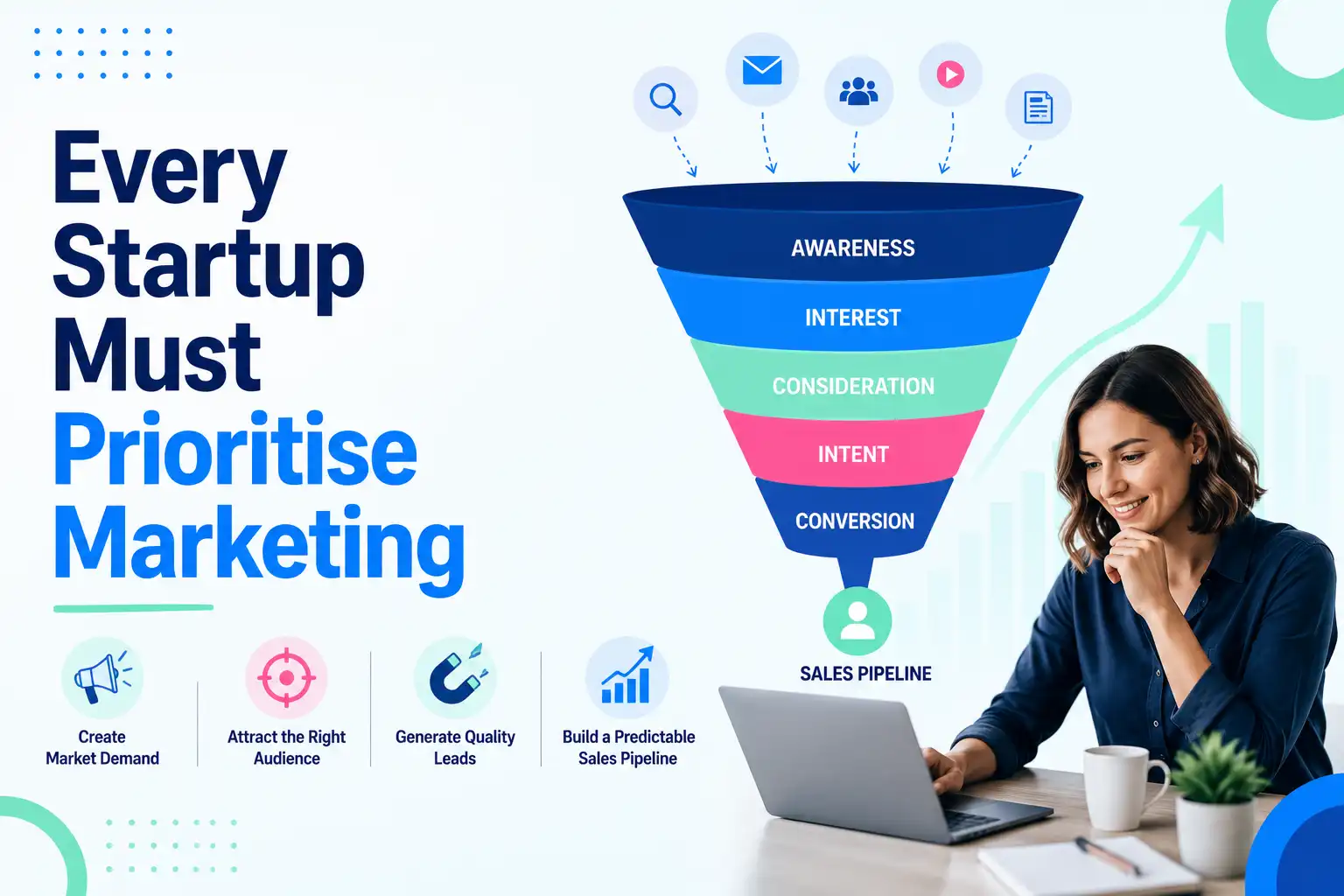
The best tech solution doesn’t always win the lion’s share of the market, but the best commercialised solution will always do better. Many tech founders regard marketing as a luxury or an afterthought, but the truth is, sales teams can’t function effectively without marketing leading the charge to penetrate the market with positioning and messaging, while providing the support sales teams need to succeed. Marketing creates awareness, generates leads and sets the stage for a sales conversation to happen. If you’re not investing in marketing, your sales team will be handicapped, like having one hand tied behind its back. The role of marketing is pivotal in ensuring prospects know who you are, so they can learn about how you can fix their problem. This communication must happen before a prospect can even contemplate making a buying decision.
Sales Fuels Your Business
As well as developing content strategies, engaging with industry press, running targeted campaigns, attending events and ensuring your website speaks to the needs of your target audience, marketing’s ultimate role is to drive a constant flow of sales pipeline opportunities to the sales team. By the time a lead is passed to sales for an introduction call, the prospect may already know something about who you are and what you do. This does not mean they will have anything more than a rudimentary understanding of your solution’s value, but it’s a starting point for a conversation. Something in your messaging and positioning has sparked an interest. It’s the job of the salesperson on the introduction call to find out what that reason is and understand if it aligns well with the solution. Without a marketing team to spearhead your market attack, your sales team would be working cold, and that’s an uphill battle you don’t want to fight. Any sales team worth its salt must also be capable of generating its own leads, but it’s marketing’s job to make sure all prospects are primed and aware of your existence and where your solution fits in the market. Once a lead is passed from marketing to sales, it’s marketing’s job to do everything it can to assist and support the sales process through to a successful conversion.
Why “If You Build It, They Will Come” Is a Lie
The idea that if you build it, they will come is one of the most dangerous myths when applied to the B2B tech sector. Tech startups that spend all their time and resources perfecting their product without focusing on customer acquisition strategies are destined for failure. Your product could be the next big thing, but if nobody knows about it, it’s as good as non-existent. Even if your solution is the next best thing, competitors can copy your product, features and even business model within months, if not weeks. What truly sets you apart isn’t the product but how effectively you sell it and support the customer. For this precise reason, it’s important for startups to invest heavily in building an effective marketing and sales culture from the start. If all you care about is building tech and recruiting more software engineers, your business may not have a sustainable future. You must fully appreciate that selling is the lifeblood of your company.
Building The Right Marketing and Sales Structure
For a B2B tech startup to succeed, founders must establish the right structure, processes, people and systems to drive growth. This includes hiring a competent marketing and sales team that understands the nuances of selling B2B solutions. You will need specialists who can navigate the complexities of selling tech solutions to companies of the appropriate size by nurturing relationships and closing deals. As a matter of priority, founders must ensure their marketing team is equipped and funded appropriately to support the sales effort. This means having a clear and intimate understanding of your target market, refining the messaging and building demand-generation campaigns that can feed and sustain a sales pipeline. Structure alone, however, won’t save a business if it doesn’t have the right culture. Founders must set the direction and the tone, ensuring the conditions for success are in place by creating a culture where both marketing and sales are supported, valued and empowered to execute the plan by working closely together. After putting all the pieces in place, the best thing a founder can do is step back and allow the magic to happen under their auspices and close guidance.
Revenue Is The Only Metric That Matters
It’s always your sales numbers that truly matter, and in the early stages of a B2B tech startup, everything else is secondary. It’s important to build a great product, but let’s assume you already did that; don’t let development issues distract you from the fact that without sales, a business won’t last long. Until you need more product development to serve paying customers, further product development is a lower priority. Developing additional features can come after you’ve established a steady flow of revenue. In B2B tech, the sales process can take time, especially when selling new solutions to enterprise clients. Your marketing and sales strategy needs to be relentless in its pursuit of nurturing leads, closing deals and building long-term relationships with customers.
Sales Heroes Assemble
Every B2B tech startup must, at its core, centre around the customer, first to understand them and their most important challenges and then to build processes that enable you to acquire new clients via effective sales channels. This can sometimes be an uncomfortable truth for founders, so the sooner you come to terms with this, the better for everyone involved. Building the most impressive tech solution in the industry will not save your startup if you can’t acquire paying customers. Marketing is the essential investment priority that fuels sales and is where every founder must focus energy, time and resources. Some founders may always regard the solution as their baby to be fed and nurtured above all else, but without paying customers it’s just a fancy piece of tech gathering dust. The customer will always be the final arbiter of what’s good for them. The ability to sell is the vital bridge between your tech and the customer, but without effective marketing and sales your startup will never get off the ground.
You may want to read: “Why Tech Startups Offer Equity to Employees.”