
Shared Success …
There’s no doubt that attracting and retaining top talent is crucial to B2B tech startup success. One effective strategy to achieve this is through awarding company shares or share options. Whilst this can positively incentivise employees, sometimes they are not always as they seem, and everyone must do their due diligence before joining a new business. Sometimes referred to as golden handcuffs, employee share schemes can inadvertently incentivise people to stay until their shares are fully vested. As a way of incentivising and potentially rewarding staff, employee equity can be effective in aligning employees with the company’s vision and success. However, like any strategy, it comes with both benefits and potential pitfalls.
What is an Employee Share Scheme?
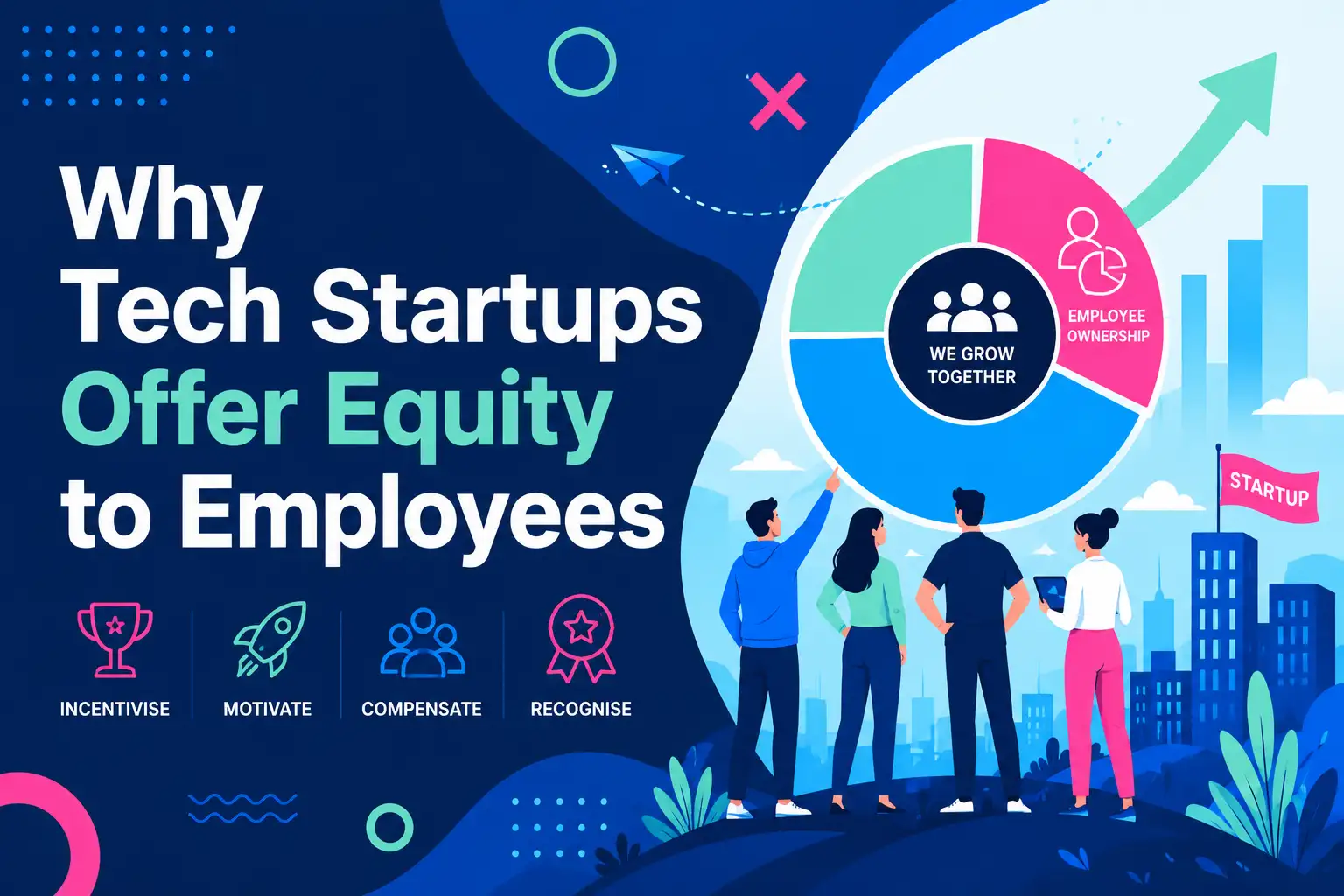
An Employee Share Scheme (ESS) is a programme that allows employees to acquire an ownership stake in the company they work for, typically through shares or share options. Commonly used by startups and high-growth technology businesses, these schemes help align the long-term success of the organisation with employees. In addition to salary and benefits, employees are given the opportunity to participate in future value creation, meaning they may benefit financially if the company grows, is acquired or eventually goes public. Employee share schemes are often used to attract talent, improve retention, reward performance and create a stronger sense of ownership, commitment and engagement across the workforce.
The Benefits of Employee Shares
- Alignment of Interests: When employees own a stake in the company, their success is directly tied to the company’s performance. This alignment of interests can drive motivation and commitment, as employees become more invested in the company’s long-term success.
- Attracting Top Talent: Startups often find it challenging to compete with established companies regarding salary and benefits. Offering equity can make a compensation package more attractive, helping startups appeal to more experienced and skilled professionals who might otherwise join larger firms.
- Retention and Loyalty: Share options typically vest over several years, incentivising employees to stay with the company to realise the potential financial benefits. This can reduce staff turnover and retain key talent during crucial growth phases.
- Motivation and Performance: The prospect of significant financial rewards can drive employees to work harder and be more innovative, knowing that their efforts directly contribute to the company’s value, can boost productivity and engagement.
The Pitfalls of Employee Share Schemes
- Complexity and Cost: Correctly setting up and managing an equity compensation plan can be complex and costly. Legal and administrative costs can add up, especially for startups with limited resources. Doing it on the cheap is not a good idea, as expensive mistakes could be made. Always ensure you have good legal advice on setting up your company, including the creation and listing of the Articles of Association and related documents, as well as having the correct paperwork to support your employee share scheme.
- Dilution of Ownership: Issuing shares dilutes the ownership of existing shareholders, including founders and early investors. This can become a contentious issue if not managed carefully.
- Employee Expectations: Employees might have high expectations for the value of their share options, which can lead to disappointment if the company does not perform as expected. Unrealistic expectations can harm morale, as staff become disillusioned, they may start to look outside the startup for new career opportunities.
- Regulatory and Tax Issues: Equity compensation is subject to various regulations and tax implications, which may vary by country and state. Mismanaging these aspects can lead to legal complications and unexpected tax liabilities for both the company and employees.
Examples of Successful Employee Share Schemes
Google is a classic example of a company that used share options well. Early employees received significant stock options, which became incredibly valuable after the company’s IPO. This strategy helped Google attract and retain top talent, driving its rapid growth and innovation. Like Google, Facebook used equity to attract talent in its early days. The company’s generous stock option grants contributed to its ability to recruit top engineers and executives, playing a crucial role in its development and eventual success.
Examples of Unsuccessful Employee Share Schemes
WeWork is a notable example of the pitfalls of poorly managed equity compensation. The company issued many shares and share options to employees, but its failed IPO and subsequent valuation collapse left many employees with worthless equity. This situation highlighted the risk of overvaluing equity and the impact it can have on employee morale and trust. Snap Inc., the parent company of Snapchat, faced criticism for its share structure, which provided non-voting shares to employees and public investors. This led to concerns about governance and the capacity of employees and shareholders to influence company decisions. While the company succeeded in going public, the share structure remains controversial.
Getting Employee Equity Right
Offering equity to employees is a powerful tool, but any scheme must be run with transparency and fairness at its core. When done correctly, it provides a shared sense of purpose and staff feel like valued stakeholders. This can help them be more committed to the vision while supporting one another and staying focused on executing the strategy and shared goals. While aiming for company growth is natural, it’s important not to let the valuation of share allotments become an unhealthy distraction from employee collaboration and team motivation. Equity programs are, at their best, ways to reward and appreciate the dedication of employees. However, these schemes can sometimes go awry if startups struggle, and founders’ disproportionate control becomes a source of tension, particularly when employees hold non-voting shares. Ultimately, equity should remain a bridge that strengthens the team’s collective journey, improves governance and promotes loyalty and resilience, especially when executed with integrity and openness.
You may want to read: “Is Your Employee Share Scheme Worth Anything?”