Entering the Startup Jungle …
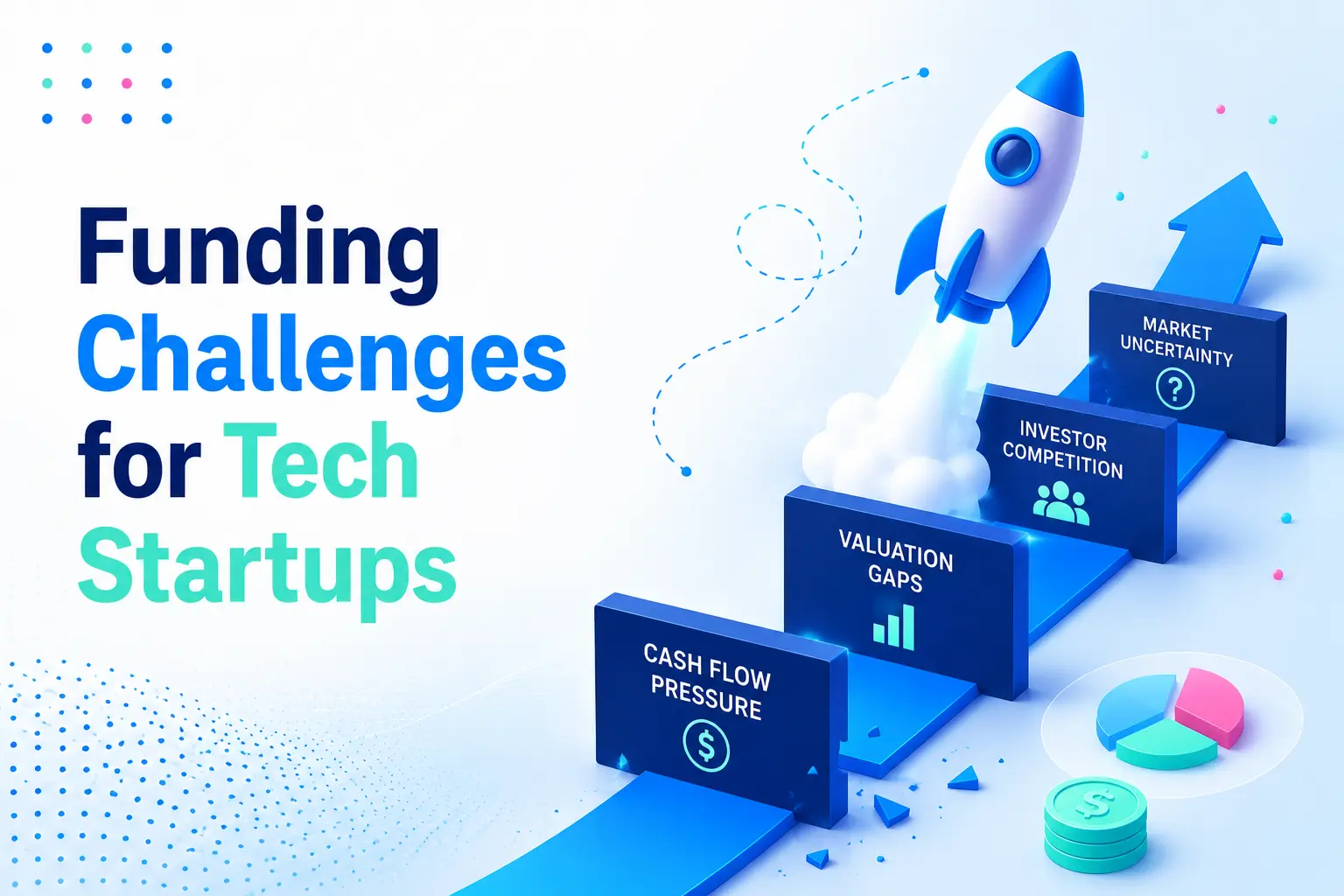
Launching a B2B tech startup is like venturing into a dense, unpredictable jungle. Anyone who is unhinged enough to volunteer for this should be hugely respected and commended for it, at least before they are sectioned to a high-security facility. While it may appear a glamorous and even cool career with potentially high rewards, the path is fraught with obstacles likely to cause excessive levels of stress and anxiety affecting you, your family and your relationships. One of the biggest causes of this stress is managing cash flow and navigating funding options.
Securing Investment Takes Time
Allow a minimum of 12 months between starting a funding process and potentially securing your investment. Don’t forget, this is a match-making process, so be prepared to present your pitch deck repeatedly and refine it many times before finding the right investor(s). Startups often go through multiple funding rounds at different stages of development, so this may need to be a familiar and repeatable task.
Don’t Take Investment Too Early
One of the challenges B2B tech startups encounter is securing adequate funding when they need it. Investors are often cautious, especially with the high risk associated with new tech ventures. According to CB Insights, 38% of startups fail due to running out of cash or failing to raise new capital. However, timing is everything and taking on an institutional investor too soon is not always advisable. Many new businesses struggle to balance their books while they are finding their feet and are not expected to be profitable in the first years of operation, but they must have access to cash to stay alive.
Funding for Growth
The only caveat here is that your chosen business model may dictate some of what happens and when. For example, if your startup sells tech solutions to other businesses (B2B), then the Annual Recurring Revenue (ARR) is likely to be one of the key indicators of funding readiness. However, if you are solely focused on acquiring users for now and will monetise the service once you have reached scale, then the requirements and timing for funding could be very different. There are professional advisors who can guide you through the funding labyrinth and it may be advantageous to engage one who understands your business and has the appropriate investor contacts.
When to Consider Institutional Investment
Ideally, any startup would be self-funding at the start, as founders may have had successful careers or sold other businesses and can leverage some of their personal wealth. This may be supplemented, perhaps with the help of family, friends, angel investors, seed capital and bank loans. These finance options help you to launch and survive while securing those first crucial paying customers, who will then fund your way forward as you grow and take on any new hires. It’s key that any hiring lags your revenue and funding inflows, to avoid burning through your cash too quickly. For B2B tech startups, it may only be possible to consider institutional investors once you have achieved product-market fit and are in the early stages of preparing to scale the business. This is the time when your startup becomes a serious proposition for Private Equity investors to take seriously.
You Can’t Scale Without Money
Unless your startup has founders with deep pockets or is cash generative, then you will need to source investment to fund the scaleup stage. Many investors will only take you seriously after you have generated a minimum level of ARR that signifies a potential for high market demand. This suggests a healthy business with solid recurring revenues, an established management team and a growing workforce. Once you have grown into a small but sustainable business, achieved product-market fit, have happy customers and demonstrated a repeatable capability for acquiring new clients, you may be ready to start serious investor conversations.
Ready for Investment?
Once you are ready for investment, there are several things you must have in place. The first thing is to develop a compelling pitch deck that clearly outlines your vision, market need and size, business model, team and other key information. Tailor your pitch to different types of investors, such as venture capital, angel investors or crowdfunding platforms. It will help if you are already known among the investor community by engaging at an early stage, even before you are ready to have serious discussions about investment. You can do this through your personal connections, by networking at events, targeted direct marketing, social media activity and even reaching out personally to ask for advice.
Adapt and Refine Your Pitch
It’s important to develop and refine your investment pitch as you progress. Just accept it won’t be where it needs to be when you start out, so make sure you’re ready for lots of rejections, but with honest feedback, you can use that information to make refinements and improve. Those early investor meetings are ideal to adjust your pitch by understanding what investors really care about and how they view your market proposition in relation to what they are looking for. Some may simply not care about your solution as much as you do and that is a pretty good signal that you haven’t found the right investor yet.
Finding the Right Investor
A potential investor must believe in what you are doing as much as you do for them to get excited enough to become seriously involved. Remember, an institutional investor is not a passive observer and will become deeply involved in your business, so choosing them wisely is critical. Many founders have had their fingers burnt by getting this wrong and there are countless sad stories to support this. Don’t let this dark truth put you off, because without money, you will not scale your business or hope to achieve its commercial potential. Be very selective in who you bring into your business and know exactly what you are getting into before any funding deal is completed.
A Visible Brand Helps
As well as demonstrating market traction and interest from your target audience in terms of user and customer numbers, pre-orders, revenues and pipeline, it also helps if investors can see you have built strong brand awareness. Use your professional networks to connect with potential investors, attend industry events, join an incubator and invest in marketing. If you do a good job in the early years of building your business, there is always a chance that investors will take notice, and some may even make enquiries to you directly before you have begun preparing for your first series funding round. This helps you attract the types of investors looking for similar types of funding candidates, as they possess the industry knowledge and relevant expertise that will provide the accelerated growth you need, along with the financial support.
You may want to read: “How to Define Your Target Market.”