Are Virtual Events Still Working in B2B Tech Marketing? …
The short answer is yes, but it’s a bit different from what it was. Today’s virtual events, such as webinars and online seminars, are still widely regarded as effective lead-generation tools in B2B tech marketing, however, their role has evolved compared to a few years ago.
Based on recent data and how marketers are actually using them, here’s a picture of the role they play:
- Approximately 51% of B2B companies now consider webinars a critical component of their marketing strategy.
- Reports show 81% of marketers ranking webinars as their top lead source, with higher close rates than typical content downloads or paid social leads.
- Surveys show over 70% of B2B marketers say webinars generate the highest-quality leads compared with many other channels.
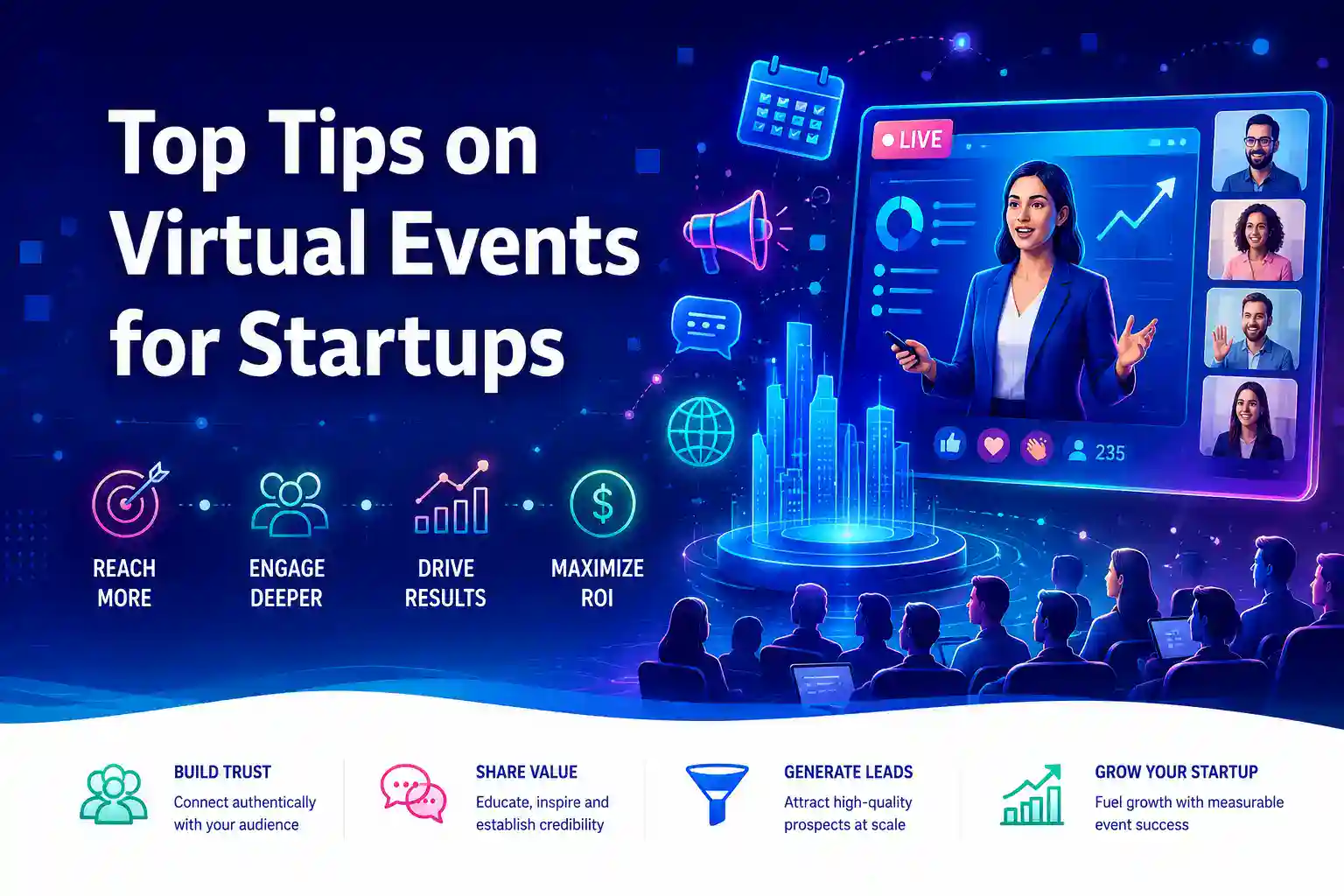
How Online Events Are Changing
Webinars are less of a simple lead capture event, as they have become part of an integrated pipeline building system, used across the entire buyer journey. Although traditionally used as a top-of-the-funnel activity, for education and thought leadership, with sales coming later, they are now deployed far more widely. Many companies now run webinar series, rather than one-off events, which generate more engaged audiences and better qualified pipeline opportunities. On-demand recordings continue to generate leads long after the live event, and this matters because many marketing teams now generate more leads from the replay than the live session.
Ideal for B2B Tech
Online events are a perfect fit for tech companies because they fit how buyers like to evaluate solutions, with a focus on positioning and education before product demos. Complex solutions require explanation and trust building, and usually mean engaging with a buying team, rather than just one decision maker. Getting people to attend an online event or sharing a link to a recording is much easier than trying to align everyone’s diaries. Prospects will only register and attend an event on a topic they have a genuine and high level of interest for. As a vendor, these online sessions are the perfect opportunity to demonstrate expertise.
All of this makes webinars the perfect place to:
- Position founders as experts
- Explain a category problem
- Show use cases
- Create case-study storytelling
- Nurture long sales cycles
Despite this, many startups can still get things wrong with thinly disguised product pitches, generic topics and poor targeting. You must always have effective follow-up communications after the webinar and avoid running them as isolated one-off events. The format that’s working best now is closer to workshops, problem-solving sessions, customer panels, industry briefings and live analysis sessions.
Reality Check
In modern B2B tech marketing strategy webinars are not usually the primary lead source anymore. However, they help develop high-quality leads by building trust quickly. They are also a great content creation engine that can be used as a sales enablement tool.
The best companies use webinars as part of a process:
Content → Webinar → Follow-up content → Sales conversation
To get the most out of your webinars, they will be most effective when targeting a very specific problem, for a very defined ICP, and delivering a clear learning outcome.
Maximising Engagement in Virtual Events
While virtual events offer numerous benefits, they also present unique challenges, particularly when it comes to maintaining attendee engagement. In a virtual environment, distractions are just a click away and keeping participants focused requires a strategic approach. Here are some strategies to maximise engagement in virtual events:
- Interactive Content: Encourage active participation where appropriate, by incorporating interactive elements such as polls, Q&A sessions and live chats. These features not only keep attendees engaged but also provide valuable feedback that can be used to improve future events.
- High Quality Production: Invest in production quality for your virtual events. This includes clear audio, high-definition video and visually appealing presentations. A polished, well-produced event creates a positive impression and helps maintain audience interest.
- Personalised Experience: Use data to create personalised experiences for attendees. For example, tailor content recommendations based on participant behaviour or segment the audience to deliver targeted messaging. Personalised experiences increase relevance and engagement, making attendees more likely to join the session and stay focused and involved.
- Engaging Speakers: Choose speakers who are not only knowledgeable but also engaging and charismatic. A dynamic speaker can captivate the audience and keep them engaged, even in a virtual setting. Consider incorporating diverse voices and perspectives to keep the content fresh and interesting.
- Gamification: Especially useful for training sessions, you may introduce elements of gamification, such as leader boards, quizzes or rewards for participation. Gamification adds an element of fun and competition, encouraging attendees to stay engaged and participate more actively.
Maximising ROI From Virtual Events
The primary goal of any marketing activity is to either generate new sales opportunities or secure existing revenues from clients by reducing churn. Virtual events are no exception. To help maximize ROI from virtual events, B2B tech companies must focus on the following areas:
- Lead Generation: Virtual events are an excellent opportunity to help develop pipeline opportunities as part of a wider prospect engagement strategy. Collecting contact information from attendees and following up with targeted communication is crucial. Use high-value gated content, such as downloadable resources or exclusive sessions, to capture leads and nurture them through the sales funnel.
- Content Repurposing: Record your virtual events and repurpose the content for other marketing channels. For example, webinars can be turned into on-demand videos, blog posts or social media snippets. This extends the life of your content and increases its value, contributing to a higher ROI.
- Partnership Opportunities: Collaboration with other companies or industry influencers to co-host virtual events can add a layer of credibility to your online events that helps to accelerate trust with new prospects. Partnerships can help you reach a broader audience, share costs and enhance the appeal of your event and your marketing outreach. Additionally, co-branded events can open doors to new business opportunities and relationships that would otherwise be blocked.
- Measurement and Optimisation: By continuously monitoring the performance of your virtual events, using the data provided in the video conferencing account and your CRM, you can make each one better than the last. Track key metrics such as attendance rates, engagement levels and conversion rates. Use all available data to identify areas for improvement and optimise future events for better results. You can also ask attendees to complete a short post-event survey to get their feedback and learn what they would like to see in the future.
- Post-Event Communication: Never let the engagement with your attendees end when the event is over. Run follow-up workflows to continue the conversation with attendees and no-shows alike, providing additional opportunities for them to contact you and ask for more information. Effective post-event follow-up can turn event participants into qualified leads for your sales.
The Future of Virtual Events in B2B Tech Marketing
Virtual events are likely to remain a key component of B2B tech marketing strategies, even while in-person events continue to maintain their prominence and status. The two formats have their place, but the benefits of webinars are too significant to ignore. The ability to reach a widespread audience, gather actionable data and create cost-effective marketing opportunities will ensure that virtual events continue to play a vital role in the industry. However, the success of virtual events depends on the ability of B2B tech companies to continually adapt and innovate.
A Rich Experience
As more businesses embrace video conferencing, competition for audience attention will continue to intensify. Companies that can deliver engaging, high-quality virtual experiences and effectively measure and optimise their impact will be the ones that continue to get results. Webinars will continue to offer a cost-effective way to reach a global audience, generate leads and build brand awareness. Focusing on engagement, personalisation and analytics will help you maximise the impact and achieve strong results. As the tech industry continues to evolve, mastering the art of virtual marketing could be a defining factor of success. Just don’t get bogged down by presenting too much content. Short and sweet is all you need to get the message to first-timers and hook them into your proposition so they are keen to know more about your solution.
You may want to read: “How to Define Your Target Market.”