
Welcome to The Digital Age of Tech Marketing …
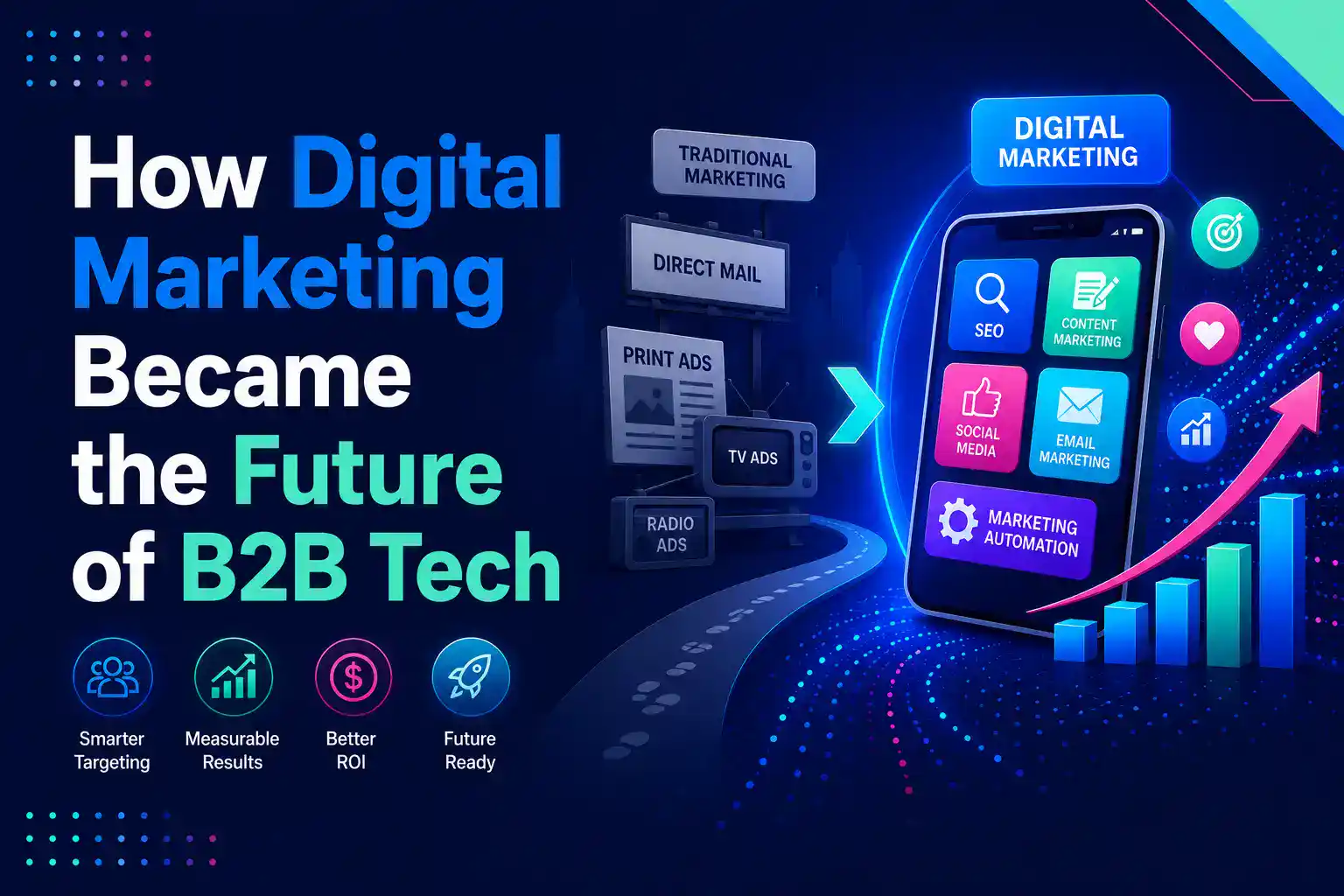
B2B tech marketing has undergone a shift over the past decade. Traditional marketing methods, such as trade shows, direct mail and print advertising, which once dominated the B2B space, are increasingly being replaced by digital strategies. This transition is not a trend; B2B tech startups must adopt these methods if they are to compete effectively. However, the shift from traditional to digital marketing comes with its own set of benefits, challenges and strategies that need to be managed effectively.
The Benefits of Digital Marketing in B2B Tech
One of the most significant advantages of digital marketing over traditional methods is the ability to reach a broader audience at a fraction of the cost. Digital channels like social media, email marketing and search engine optimisation (SEO) allow startups to target specific demographics and measure the effectiveness of their campaigns in real-time. This level of precision and accountability is something that traditional methods often lack.
Attribution Challenge
For instance, a trade show may generate a lot of foot traffic, but it can be challenging to track exactly how many of those interactions lead to conversions. In contrast, a well-targeted LinkedIn campaign can provide immediate feedback on engagement rates, lead generation and ROI. This leaves less doubt where your precious sales leads come from, although with multiple touch campaigns, attributing a single lead source to a deal has become a new challenge.
Personalisation
One aspect of digital marketing that leaves no doubt, however, is that it allows for more personalised communication with prospects. Through techniques like Account Based Marketing (ABM), B2B tech companies can tailor messaging to address the specific needs and pain points of individual personas in target accounts, something that’s much harder to achieve with traditional marketing.
Test, Eat, Sleep and Repeat
One of digital marketing’s biggest benefits is its agility. This means you can test ideas quickly, measure results and adjust campaigns based on data, without wasting time or investing too much money. This helps startups adapt in response to market changes or customer feedback. For example, if a particular online ad isn’t performing well, it can be updated or replaced immediately, unlike a print ad in a magazine. In fact, we can now regard all digital campaigns as tests, because the data will tell you how each one performs. Now you always know which campaigns are worth continuing with and which ones need to be optimised or left behind.
The Challenges of Digital Marketing
Despite its many advantages and the profound way marketing has been transformed by it, the shift to digital is not without its challenges. One of the most significant hurdles is the learning curve associated with new technologies, platforms and data. Traditional marketing teams would need to upskill to execute digital campaigns effectively. This could lead to wasted resources and missed opportunities if not addressed. Another challenge is the potential for data overload. Digital marketing generates a vast amount of data, from click-through rates to social media metrics, which can be overwhelming for teams to sift through to find actionable insights. B2B tech startups must invest in the right tools and talent to manage and analyse this data effectively but only focus on the metrics that make most sense to avoid needless distraction.
Increased Competition
Striving for attention online is highly competitive, and this can be a problem. The barrier to entry for digital marketing is relatively low, which means that tech startups are immediately competing with countless other companies with vastly differing budgets for the same attention. This can drive up costs very quickly, particularly for paid media like Google or LinkedIn advertising, where bids for keywords or audience segments can become prohibitively expensive. You must tread carefully, or you could pay dearly for little return.
Building Trust is Still Key
There’s also the issue of trust. In the B2B sector, relationships and trust are paramount, and many decision-makers still prefer the personal touch of a face-to-face meeting or a phone call over digital communication. This is particularly true for business executives who may be more sceptical of digital marketing tactics and won’t make a purchasing decision without a formal buying process that includes full due diligence. Be sympathetic and flexible to your target audience and the way they conduct their business; don’t wear cheap company branded clothing when attending prospect meetings.
Managing Digital Marketing
To manage digital marketing effectively, B2B tech startups are well placed, with no existing processes or entrenched ways of working to hold you back. You can start fresh with a digital-first strategic approach and build from there. It may still be worth evaluating which traditional marketing methods can support your digital activities and deliver value, rather than dismissing them without testing first. In-person events and direct mail for example, can still be very effective ways to communicate with some high-value audiences.
Training
It’s also crucial to invest in training and development for marketing teams. This could involve hiring new talent with digital expertise, upskilling existing employees and partnering with external agencies that specialise in digital marketing. By ensuring that the team has the necessary skills and knowledge, startups can avoid common pitfalls and make the most of their digital marketing efforts.
Hybrid Strategy
Another important strategy is to integrate traditional and digital marketing efforts. For example, a startup might use digital channels to promote an upcoming trade show appearance or use data from a direct mail campaign to inform a targeted email marketing campaign. By combining the strengths of both traditional and digital methods, you can create a more cohesive and effective marketing strategy.
Thriving Martech Industry
Startups must also be clear about their desired technology stack and architect it to optimise their go-to-market strategy, prioritising data management and analytics. For example, investing in customer relationship management (CRM) software, marketing automation, analytics platforms and other essential tools can help teams manage and make sense of the data generated by digital marketing efforts. This helps with more informed decision-making and better targeting of future campaigns. The industry for marketing and sales enablement tools has exploded, so you will need to research and select appropriate to your needs and budget.
Continually Test New Technologies and Channels
The digital marketing landscape is constantly evolving, with new technologies and platforms emerging all the time. B2B tech startups must stay informed about these developments and be willing to experiment with new approaches. This could involve trying out new social media platforms, adopting AI-powered marketing tools or exploring new content formats like video and podcasts. It’s important to remain adaptable and try new things throughout the growth of your startup.
Digital Future
Digital marketing is essential for startups looking to grow and compete, from publishing a website to running online ads and much more. Better targeting and real-time analytics make it a powerful route for driving and scaling your growth. Taking a strategic approach, investing in the right tools and talent, while remaining adaptable to changes, will set you up nicely. Digital marketing has taken over, and there’s no going back.
You may want to read: “How to Define Your Target Market.”